Simple Ways to Reduce Noise at Home for a Calmer Space

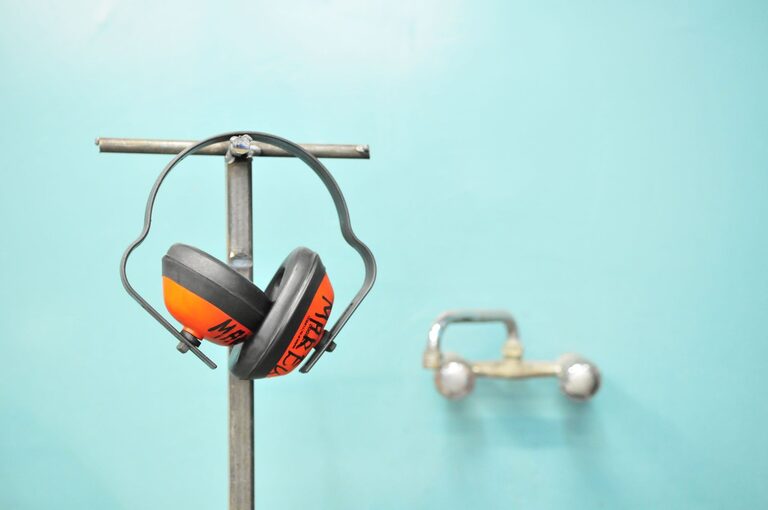
Creating a quiet and peaceful home environment can greatly improve your comfort and well-being. Noise disturbances, whether from outside traffic, neighbors, or household activities, can disrupt your daily life and make it harder to relax or concentrate. Fortunately, there are simple ways to reduce noise at home without complicated renovations or expensive equipment. In this post, we’ll explore practical tips and strategies to help you enjoy a quieter living space.
Understanding the Sources of Noise
Before diving into solutions, it’s helpful to identify common noise sources in and around your home. These often include:
– Traffic sounds from busy streets
– Loud neighbors or nearby construction
– Household appliances and electronics
– Footsteps and voices inside your home
– Outdoor sounds like pets or wind
Knowing where noise comes from is the first step to addressing it effectively.
Easy Ways to Reduce Noise Inside Your Home
1. Use Soft Furnishings
Soft materials absorb sound much better than hard surfaces. Adding items like rugs, curtains, carpets, and upholstered furniture helps reduce echoes and muffles noise.
– Place area rugs or carpets on hard floors to soften footsteps and reduce sound reflection.
– Hang thick, heavy curtains over windows to block outside noise.
– Add cushions and throws to sofas and chairs.
2. Seal Gaps and Cracks
Noisy air leaks let sound travel easily through doors, windows, and walls.
– Use weatherstripping around doors and window frames to close gaps.
– Apply caulk to fill cracks and spaces in walls or baseboards.
– Consider draft stoppers at the bottom of doors to block noise from hallways or outside.
3. Rearrange Furniture
Strategic placement of furniture can create noise barriers within a room.
– Position bookcases or large cabinets against shared walls to help absorb sound.
– Place sofas and chairs away from noisy areas like televisions or busy hallways.
– Use furniture to block direct sound paths.
4. Use White Noise Machines or Fans
Sometimes masking noise can be just as effective as blocking it.
– White noise machines produce soothing background sounds that reduce the perception of disruptive noises.
– A simple fan or air purifier with a gentle hum can also help mask unwanted sounds.
Soundproofing Tips for More Impact
If noise is a significant problem, you may want to consider more targeted soundproofing measures.
1. Add Soundproof Curtains or Panels
Specially designed heavy curtains or acoustic panels absorb sound and improve room quietness.
– Soundproof curtains are thicker and denser than regular drapes, providing better noise reduction.
– Acoustic panels installed on walls or ceilings minimize echo and block sound transmission.
2. Upgrade Windows and Doors
Windows and doors are common weak points for noise infiltration.
– Double or triple-pane windows offer better sound insulation than single-pane glass.
– Solid-core doors block sound more effectively than hollow-core doors.
– Adding door sweeps helps seal gaps underneath doors.
3. Install Carpeting or Cork Flooring
Hard floors reflect noise, but carpet or cork flooring absorbs sound and reduces footstep noise.
– If replacing floors isn’t an option, large area rugs with thick padding can help.
– Cork flooring is naturally sound-absorbing and environmentally friendly.
4. Use Weatherstripping and Door Seals
Additional sealing helps prevent airborne sounds from traveling through cracks.
– Apply weatherstripping or foam gaskets around door frames.
– Use acoustic caulk for long-lasting seals around windows and wall penetrations.
Outdoor Noise Reduction Ideas
Sometimes noise comes from outside your home. Here are ways to reduce outdoor noise impact:
1. Plant Trees and Shrubs
Dense foliage acts as a natural sound barrier.
– Planting trees and shrubs along fence lines or near windows can help block traffic noise.
– Evergreen trees are especially effective because they retain leaves year-round.
2. Build Fences or Walls
A solid fence or wall helps reduce noise from neighbors or streets.
– Use materials like wood, brick, or concrete for better sound blocking.
– Ensure fences are tall and continuous without gaps.
3. Create a Water Feature
The sound of running water can mask background noise and create a soothing atmosphere.
– Install a small fountain or waterfall in your yard or garden.
– Water features also add beauty and help relax your mind.
Maintain a Quiet Home Environment
Besides physical changes, lifestyle habits can also reduce noise inside your home.
1. Set Quiet Hours
Agree on quiet times with family members or roommates to limit loud activities.
2. Use Headphones
Use headphones for music, TV, or gaming to minimize noise for others.
3. Maintain Appliances
Regular maintenance keeps appliances running quietly and efficiently.
4. Close Doors to Noisy Rooms
Close doors to rooms where noise is generated, such as laundry or home offices.
Conclusion
Reducing noise at home doesn’t have to be complicated or costly. Simple steps like adding soft furnishings, sealing gaps, rearranging furniture, and using white noise can make a noticeable difference. For more serious noise problems, consider soundproof curtains, upgraded windows, and outdoor landscaping. Combining these methods will help you create a more peaceful, comfortable, and enjoyable living space.
By taking the time to address noise issues, you’ll enhance your home’s atmosphere—making it a true sanctuary from the hustle and bustle of everyday life.