How to Create a Minimalist Bathroom Setup for a Clean, Calm Space

Creating a minimalist bathroom setup can transform a busy, cluttered space into a serene, functional retreat. Minimalism focuses on simplicity, clean lines, and thoughtful use of space to promote calm and efficiency. Whether you have a large master bath or a small powder room, the principles of minimalist design can work for you.
In this guide, we’ll walk you through the key steps to achieve a minimalist bathroom that combines style and practicality.
Why Choose a Minimalist Bathroom?
A minimalist bathroom offers several benefits:
– Less clutter: Fewer items on counters and shelves create a tidier environment.
– Easier cleaning: With less stuff, surfaces are quick to clean and maintain.
– Calming atmosphere: Simple designs and neutral colors help reduce stress.
– More space: Minimalism makes even small bathrooms feel larger and open.
Step 1: Declutter and Organize
The foundation of minimalism is getting rid of what you don’t need.
– Clear out expired products: Check toiletries, makeup, and medications, and dispose of anything old or unused.
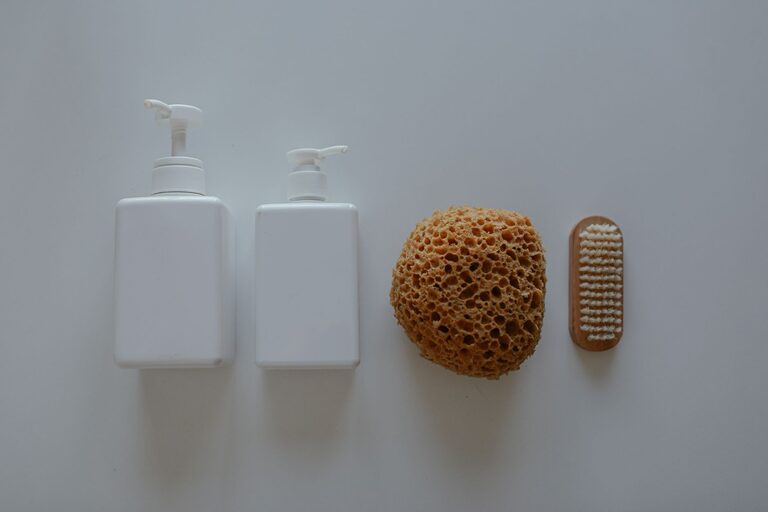
– Limit what stays out: Keep only daily essentials on the countertop, like a soap dispenser or toothbrush holder.
– Create storage solutions: Use drawers, baskets, or cabinets to hide away less frequently used items.
– Use vertical space: Install shelves or wall-mounted containers to keep things off the floor and counters.
Step 2: Simplify Your Color Palette
Minimalist bathrooms usually stick to a neutral and soothing color scheme.
– Opt for whites, grays, beige, or soft pastels to create a clean backdrop.
– Use a single accent color sparingly—for example, a wooden stool or a towel in muted navy.
– Keep patterns subtle or avoid them altogether to maintain a uniform look.
Step 3: Choose Functional, Streamlined Fixtures
Select a few key features that combine practicality with minimal design.
– Sink and faucet: Go for sleek, simple shapes without ornate details.
– Toilet: Choose compact and modern models that blend into the design.
– Shower or bathtub: Frameless glass doors or open showers enhance openness.
– Storage: Floating vanities or wall-mounted cabinets save floor space and reduce visual clutter.
Step 4: Focus on Quality Over Quantity
In minimalist design, each item should have a purpose and quality craftsmanship.
– Invest in durable materials such as natural stone, wood, or matte-finished metals.
– Select accessories with clean lines and minimal decoration.
– Avoid excessive decorative items—choose one or two meaningful accents like a small plant or a simple art print.
Step 5: Optimize Lighting
Good lighting is vital in a minimalist bathroom to keep the space feeling bright and welcoming.
– Use natural light whenever possible with sheer window coverings or skylights.
– Install recessed or track lighting to keep fixtures discreet.
– Add LED mirror lighting for function without clutter.
Step 6: Maintain Minimalism Daily
Keeping a minimalist bathroom requires routine care.
– Put items back in their place immediately after use.
– Regularly evaluate what you really need to keep.
– Wipe down surfaces daily to maintain a fresh, clean feel.
Minimalist Bathroom Decor Ideas
If you want to add personality without clutter, consider these subtle touches:
– A single vase with fresh or dried flowers.
– A wooden bath mat or natural fiber rug.
– Towels in solid, muted colors.
– Simple soap dispensers and containers in glass or ceramic.
Conclusion
Creating a minimalist bathroom setup is all about editing your space thoughtfully. By decluttering, choosing a restrained palette, selecting streamlined fixtures, and focusing on quality, you can design a bathroom that feels spacious, calm, and stylish. With consistent maintenance, your minimalist bathroom will remain a peaceful haven for years to come.
Start with small changes today and enjoy the benefits of simplicity every day in your bathroom.